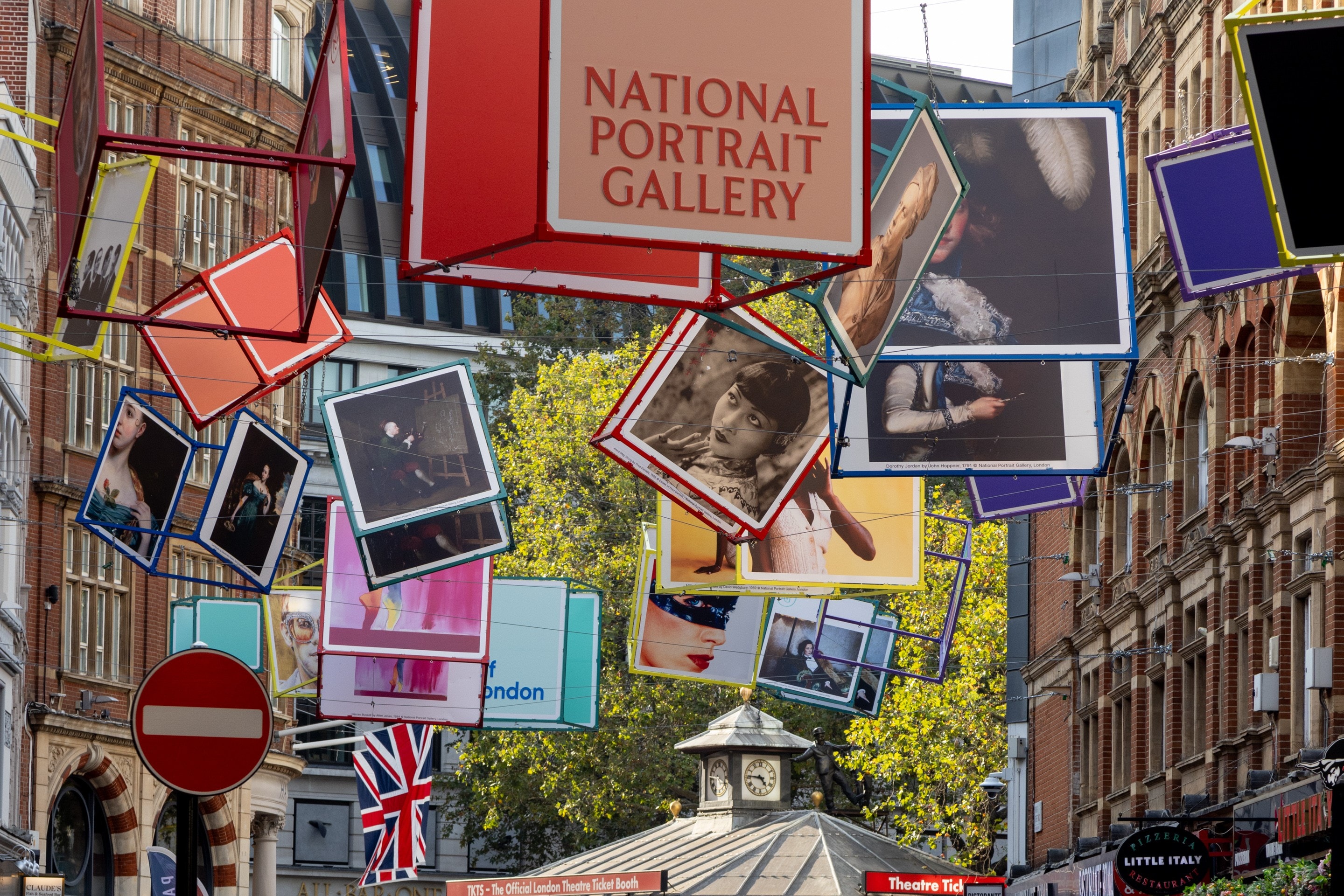
Unpacking the Scientific Evidence
The BMJ study serves as a counter-narrative to the prevailing scepticism surrounding the 'utility' of the arts, positing that arts engagement isn't a frivolous diversion but a substantive activity with tangible health benefits. As healthcare systems worldwide grapple with challenges like an ageing population and mental health issues, the potential role of the arts becomes crucial.
By exploring eight distinct pathways through which the arts may extend life, from alleviating chronic stress to fostering a sense of purpose, this piece aims to offer a nuanced understanding of how the arts can be strategically leveraged to enhance public health. So, as we navigate the complexities of modern existence, perhaps it's time to re-evaluate our priorities. Maybe the key to a longer, healthier life has been hanging on our walls, playing through our speakers, and gracing our stages all along. Through this journal piece, we invite you to consider the arts as a vital, empirically supported pillar of a long, fulfilling life.
Eight Ways Arts Engagement and Cultural Activities May Be Linked to Longevity
1. Alleviates Chronic Stress and Depression
The study suggests that arts engagement can serve as a potent antidote to chronic stress and depression. By facilitating face-to-face social interactions, the arts create a platform for emotional expression and psychological relief. This, in turn, can lead to lower levels of stress hormones, contributing to better mental health and potentially extending lifespan.
Maybe the key to a longer, healthier life has been hanging on our walls, playing through our speakers, and gracing our stages all along.
2. Enhances Social Capital
Engaging in the arts isn't just an individual experience; it's a communal one. The study indicates that arts engagement enhances social capital by building individual and collective resources. This could manifest in various forms, from community cohesion to mutual trust, all of which contribute to a sense of well-being and could, by extension, promote longevity.
3. Reduces Perceived Social Isolation and Loneliness
The communal nature of arts engagement also plays a role in reducing feelings of social isolation and loneliness. Given that loneliness has been linked to a range of negative health outcomes, including premature mortality, the arts' role in fostering social connections takes on a new level of significance.
4. Promotes Emotional Intelligence and Social Perception
According to the study, arts engagement can boost emotional intelligence and enhance social perception. It may even increase empathy, factors that are intrinsically linked to survival. The ability to understand and manage one's own emotions, as well as to navigate social situations effectively, could have far-reaching implications for longevity.
5. Increases Physical Activity
While the arts are often associated with mental and emotional well-being, the study also highlights their role in promoting physical activity. Whether it's the act of creating art or even walking through a gallery, these activities encourage movement, reducing sedentary behaviours that are detrimental to both psychological and physical health.
6. Fosters a Sense of Purpose
Engaging with the arts can imbue life with a sense of purpose. According to the study, a strong sense of purpose is associated with better immune function and healthier lifestyle choices. This could manifest in various ways, from better stress management to lower rates of chronic disease, all contributing to a longer life.
7. Enhances Creativity and Imagination
The study posits that the creativity and imagination fostered by arts engagement have been linked to higher odds of survival throughout the evolution of Homo sapiens. While this is more speculative, the idea that creative thinking could have survival benefits is a tantalising one, worthy of further exploration.
8. Protective Association with a Range of Activities
Interestingly, the study also notes that arts-related activities, in addition to other "leisure time" activities like gardening or attending religious services, may have a protective association with premature mortality. This suggests that the benefits of arts engagement could be part of a broader tapestry of activities that contribute to a longer, healthier life.
The Final Verdict: Arts as a Lifespan Extender
The BMJ study serves as a seminal work, reframing the arts from a mere recreational pursuit to a cornerstone of holistic well-being and longevity. While the study is not without its limitations and further research is needed to establish a causal link, the evidence is compelling enough to warrant serious consideration in public health strategies. The findings not only enrich our understanding of the multifaceted benefits of arts engagement but also challenge the prevailing notion that the arts are a 'non-essential' aspect of life.
As we grapple with the complexities of modern existence—ranging from the mental health crisis to the loneliness epidemic—the arts emerge as a potent antidote, offering myriad pathways to better health, emotional balance, and extended life. The study's implications are far-reaching, touching on sectors as diverse as healthcare, education, and urban planning. It beckons policymakers, healthcare providers, and the general populace to view arts engagement as a serious contender in the arsenal of tools we have for improving public health and individual longevity.
As you ponder the implications of this groundbreaking research, we invite you to consider a series of questions that delve deeper into the intricate relationship between the arts and longevity. These questions aim to stimulate further thought and discussion, encouraging you to explore how the arts could become an integral part of your own life's tapestry.
References
Fancourt, D., & Steptoe, A. (2019). The art of life and death: 14 year follow-up analyses of associations between arts engagement and mortality in the English Longitudinal Study of Ageing. BMJ, l6377. https://doi.org/10.1136/bmj.l6377
Applying the Findings: What You Can Do
In the realm of academic research, findings often remain confined to scholarly journals, rarely making their way into our daily lives. This section aims to bridge that gap. It's designed to translate the complex data and insights from the research we've explored into actionable steps you can take. We distil the essence of the scientific findings into practical advice, offering you a roadmap to integrate these insights into your own life. Read on to discover how you can benefit from the latest research in a tangible, meaningful way.
1. Curate a Home Gallery
Elevate Your Domestic Aesthetics
Turn your home walls into a gallery of art and photography for daily inspiration and well-being.
Cultivate Young Aesthetes
Extend this artistic touch to your children's rooms to foster their cognitive and emotional growth through early exposure to art.
2. Embrace Photographic Artistry
Use your smartphone to capture meaningful scenes or abstract forms. For skill enhancement and community engagement, consider a photography course.
3. Daily Artistic Breaks
Spend a few minutes daily engaging with art, be it music, doodling, or dance clips, to elevate your mood and mental well-being
4. Virtual Gallery Visits
Explore virtual museum tours weekly to diversify your artistic exposure and reduce stress.
5. Community Art Projects
Join or start a community art initiative, like a mural or communal garden, to build social connections and enrich your local environment.
6. Artistic Exercise
Marry art with exercise by listening to art-focused audiobooks or podcasts during your jog, or incorporate dance as a workout.
7. Mindful Art Consumption
Engage deeply with art forms like painting, music, or poetry to boost emotional well-being and alleviate stress.
8. Set Artistic Goals
Establish attainable artistic objectives, such as mastering a new song or completing a painting, to give your art engagement a sense of purpose.
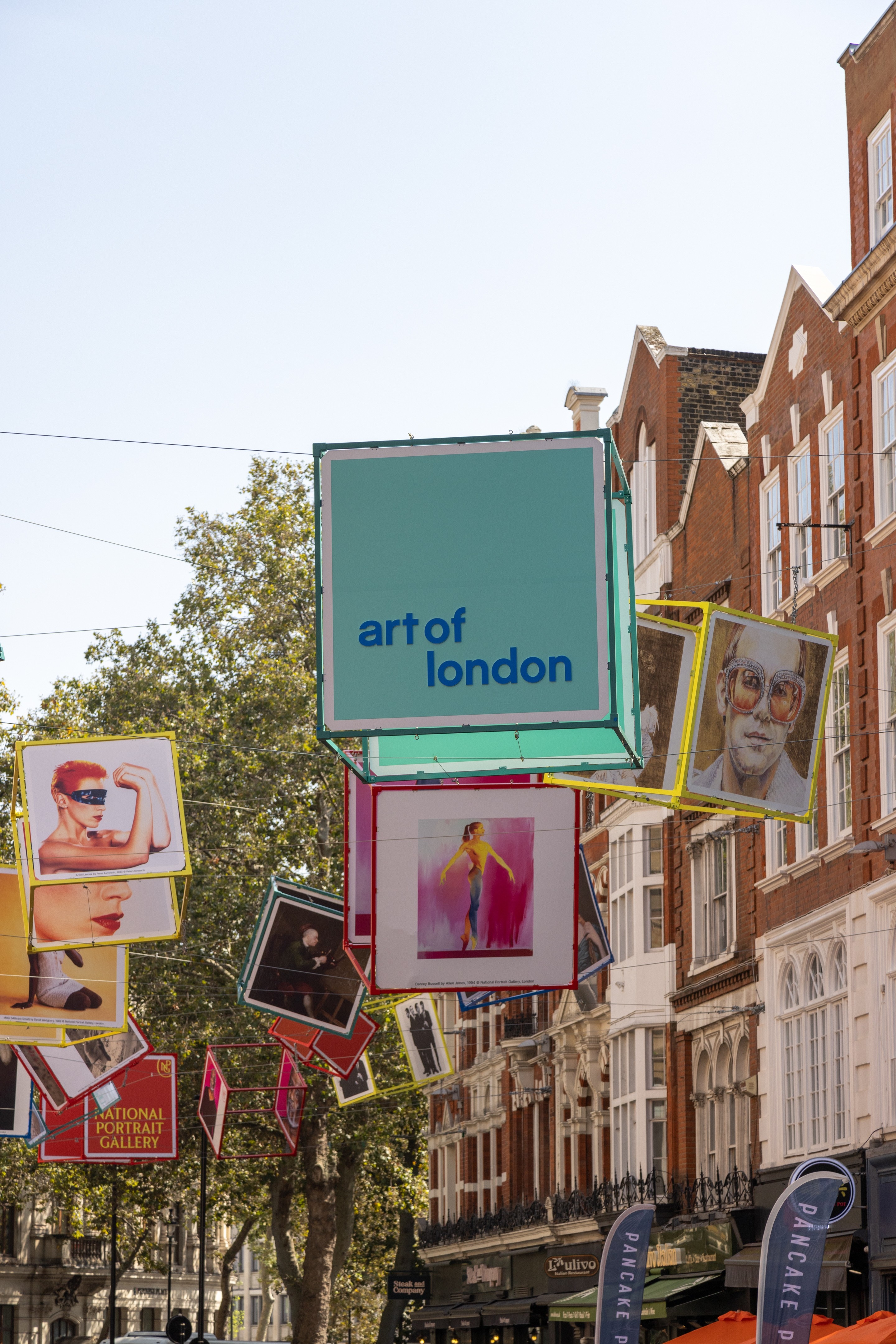
Beyond the Data: Questions to Ponder
What are the implications of this study for public health policy, especially in the context of an ageing population?
The study's findings could have profound implications for public health policy, particularly in societies with an ageing demographic. If arts engagement indeed has a protective association with longevity, as the study suggests, then incorporating arts into public health initiatives could be a strategic move. This could manifest in various ways:
Subsidised Arts Programs: Governments could subsidise tickets to museums, galleries, and performances for older adults.
Community Arts Initiatives: Local councils could organise regular arts events tailored for older adults, thereby fostering both arts engagement and community interaction.
Healthcare Integration: Arts programs could be integrated into healthcare settings, such as nursing homes or hospitals, as a form of complementary therapy.
Educational Campaigns: Public health campaigns could be designed to educate people about the potential health benefits of arts engagement, thereby encouraging more people to participate.
Longitudinal Tracking: Public health agencies could track arts engagement metrics alongside health outcomes to further validate the study's findings and adjust policies accordingly.
What other factors, not considered in the study, could potentially influence the relationship between arts engagement and longevity?
While the study was comprehensive, there are always additional variables that could be considered:
Genetic Factors: Some people may have a genetic predisposition to both longevity and a proclivity for the arts, which the study did not account for.
Quality of Arts Engagement: The study considered frequency but not the quality or type of arts engagement, which could also have varying effects on health.
Cultural Differences: The study was based in England, and cultural attitudes towards the arts could influence the results in other geographical locations.
Technological Engagement: With the advent of virtual galleries and online performances, the role of digital arts engagement could also be a factor worth considering.
Psychological Resilience: The ability to derive joy and meaning from life, often through activities like arts engagement, could be a factor that contributes to longevity but is difficult to measure.
How might future research build upon these findings to establish causality between arts engagement and longevity?
Establishing causality would require more rigorous experimental designs, such as:
Randomised Controlled Trials (RCTs): Participants could be randomly assigned to engage in arts activities and then tracked over time for health outcomes.
Longitudinal Studies with Control Groups: Similar to the current study but with the addition of control groups that are matched for other health and lifestyle factors.
Mechanistic Studies: These would delve into the physiological or psychological mechanisms through which arts engagement could affect longevity.
Meta-Analyses: Aggregating data from multiple studies could provide more robust evidence for causality.
Policy Experiments: On a larger scale, cities or countries could implement arts-focused public health initiatives and track the long-term effects on population health.
Each of these approaches comes with its own set of challenges and limitations, but collectively they could provide compelling evidence to establish causality.
How might the arts industry leverage these findings to advocate for greater inclusion of arts and cultural activities in public health discourse?
The arts industry could utilise these findings as a robust argument for their inclusion in public health initiatives. By presenting empirical evidence that arts engagement contributes to longevity and well-being, the industry could engage in advocacy efforts aimed at policymakers, healthcare providers, and the general public. This could include the development of targeted campaigns, partnerships with healthcare organisations, and lobbying for legislative changes that recognise the arts as a vital component of public health.
Power of Art Series
As we explore more research in our series Power of Art, we will keep the exploration organised here.
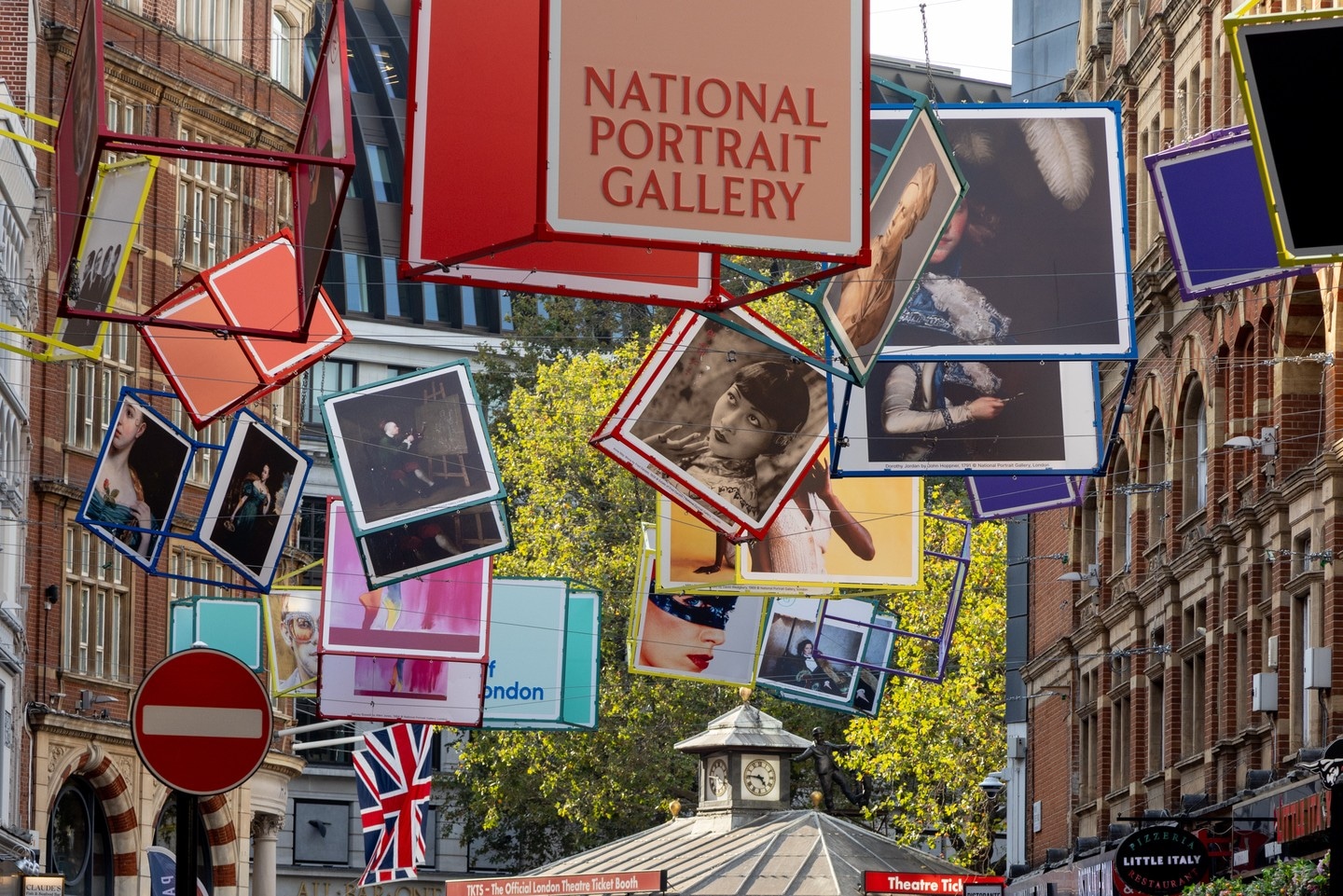
The Link Between Art and Longevity | Power of Art
Exploring the science behind arts engagement's potential to extend and enrich life.
Photography: Gateway to Digital Literacy
The essential digital literacy skills for thriving in today's AI-driven landscape, enhanced through artistic engagement.
Redefining Learning Through 'Studio Thinking'
Exploring 'Studio Thinking's' Revolutionary Approach: Bridging Art and Education for a Dynamic, Hands-on Learning Experience.